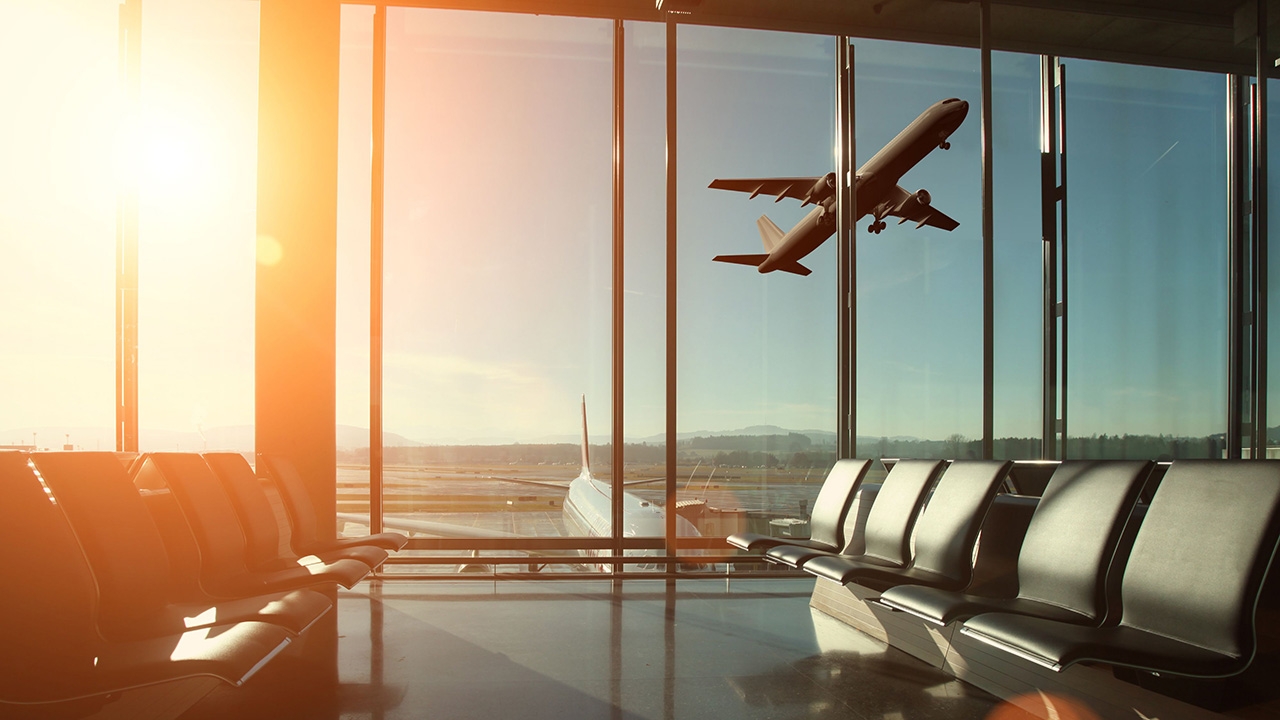
Choosing surgery abroad means one extra question most local patients never face: when is it safe to fly home? Boarding a plane too soon after an operation is one of the few genuine risks of medical travel — but it is also completely avoidable with the right timing and a little preparation.
Below, the Argaman Plastic Surgeries Mexico team explains why flying too early is risky, how long to wait after the most common procedures, how to protect yourself in the air, and how surgeon clearance works. Treat these as general guidelines — your own surgeon always has the final word on your travel date.
Why flying too soon is risky
A long flight combines two things your healing body does not need: hours of sitting still and a pressurised, dry cabin. Together they create several specific risks:
- Blood clots (DVT). Surgery temporarily makes your blood more prone to clotting, and long periods of immobility let clots form in the deep veins of the legs — a deep vein thrombosis. In rare cases a clot can travel to the lungs, which is a medical emergency. This is the most important reason to wait.
- More swelling. Reduced cabin pressure at altitude allows tissues to swell more than they would on the ground, which is uncomfortable and can strain fresh incisions.
- Dehydration. Very dry cabin air pulls moisture from the body, and dehydration slows healing and further raises clot risk.
- Wound strain. Lifting luggage, twisting in a tight seat and long transfers can all stress a healing surgical site.
None of this means travel is dangerous — it means timing matters. Wait the appropriate interval, take a few precautions, and flying home becomes a safe, routine part of the journey.
How long before you can fly? (by procedure)
The right waiting time depends on how extensive the surgery was and how much it affects circulation and swelling. The ranges below are typical guidance for a long-haul flight; short domestic hops are sometimes possible a little sooner with surgeon approval.
| Procedure | Typical wait before a long flight |
|---|---|
| Minor facial surgery — eyelids, injectables | About 7 days |
| Facelift / neck lift | 7–10 days |
| Breast augmentation or lift | 7 days |
| Liposuction — small area | 5–7 days |
| Liposuction — multiple areas | 5–7 days |
| Tummy tuck (abdominoplasty) | 10 days |
| BBL / body lift | 2–7 days |
| Mommy makeover / combined surgery | –2 weeks |
Notice that body and combined procedures need the longest wait: they involve larger areas, more swelling and a higher clot risk than facial surgery. This is exactly why your recommended stay is planned around your specific operation.
How to fly safely after surgery
Once your surgeon clears you, a few simple habits keep the flight home comfortable and low-risk:
- Wear compression. Medical compression stockings plus your prescribed garment help prevent clots and control swelling.
- Move regularly. Walk the aisle every 1 to 2 hours, and flex your ankles and calves in your seat in between.
- Stay hydrated. Sip water steadily throughout the flight and skip alcohol and excess caffeine, which dehydrate you.
- Choose your seat. An aisle seat makes it easy to get up, and extra legroom helps you stretch.
- Fly direct when you can. A single non-stop flight means less sitting, less lifting and fewer transfers than connections.
- Don't lift heavy bags. Ask for help with luggage and use porters or airport assistance.
Surgeon clearance & “fit to fly”
Never book a fixed return flight for too soon after surgery. Instead, plan a flexible window and let your surgeon confirm the date once healing is on track. Before you fly, you should have:
- Written clearance from your surgeon that you are safe to travel.
- No open wounds or surgical drains still in place.
- A fit-to-fly letter if your airline requires one after recent surgery.
A responsible provider plans your stay so that this clearance happens naturally, at a proper follow-up visit — not under pressure to make a pre-booked flight.
Recovering in Mexico City before you fly
Since 2012, Argaman Plastic Surgeries Mexico has organised recovery around exactly this principle: you go home when you are ready, not when a ticket says so. Our board-certified surgeons and coordinators build your itinerary so that a safe flight is part of the plan from the start.
- A recommended stay of about 7 to 14 days in Mexico City, matched to your procedure.
- Daily physician visits in the first week and a follow-up that formally clears you to fly.
- Comfortable partner-hotel recovery close to the surgical centre, with transfers arranged.
- A bilingual coordinator who helps you time your return flight and stays with you until your final virtual follow-up at home.
Planning surgery abroad and want a safe trip home?
Book a free, no-obligation virtual consultation. Our board-certified surgeons will recommend the right procedure, the ideal length of stay and a realistic travel timeline — usually within 24 hours. Book your consultation to get started.
BOOK A CONSULTATION